
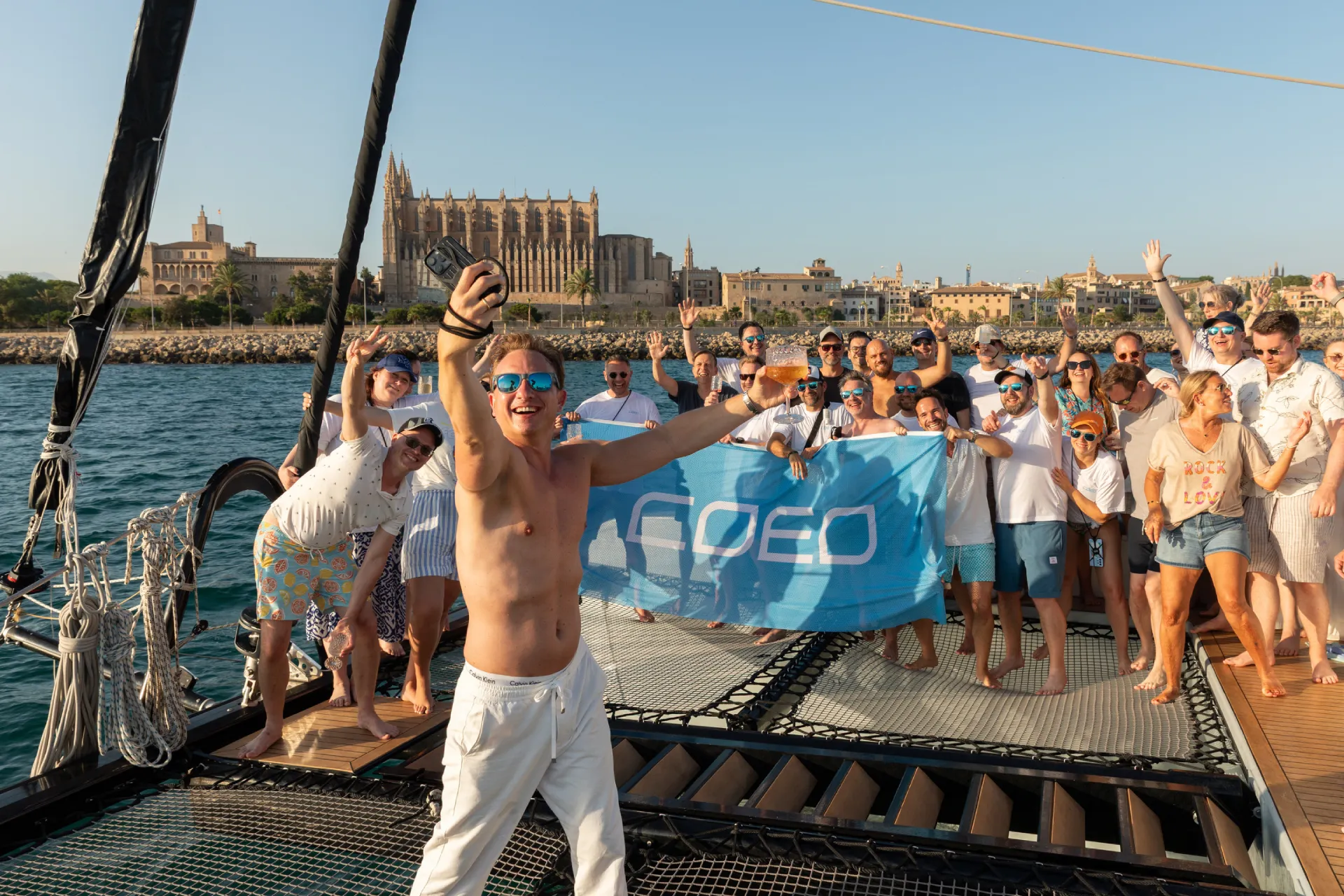


Very professional organization of the trip, very friendly staff, and there was always someone available to assist us or accompany us during all activities. 100% recommended. We had a truly wonderful time in Mallorca. Thank you so much for the great organization.

Team Building in Europe: Trips That Bring Teams Closer, Not Just Together
Putting colleagues on a boat does not make them a team. Shared experiences can, when they are designed around the group rather than copied from a catalogue.
Effective team building in Europe starts with the people, the purpose and the conversations the programme should make possible. The destination and activity format follow from that brief.
This guide explains the difference between a reward and a team-development trip, the formats that work, how to compare European destinations and costs, and how to design participation for everyone.

Start with the brief
Team building or incentive? Know what you are buying
An incentive says thank you. Team building says: let us improve how we work together. The two can overlap, but the main goal shapes who is invited, how competitive the programme should be and how much time remains for conversation.
Many team events are rewards in disguise, and many rewards are expected to repair communication. Name the actual purpose before briefing anyone.

Programme design
What actually builds a team
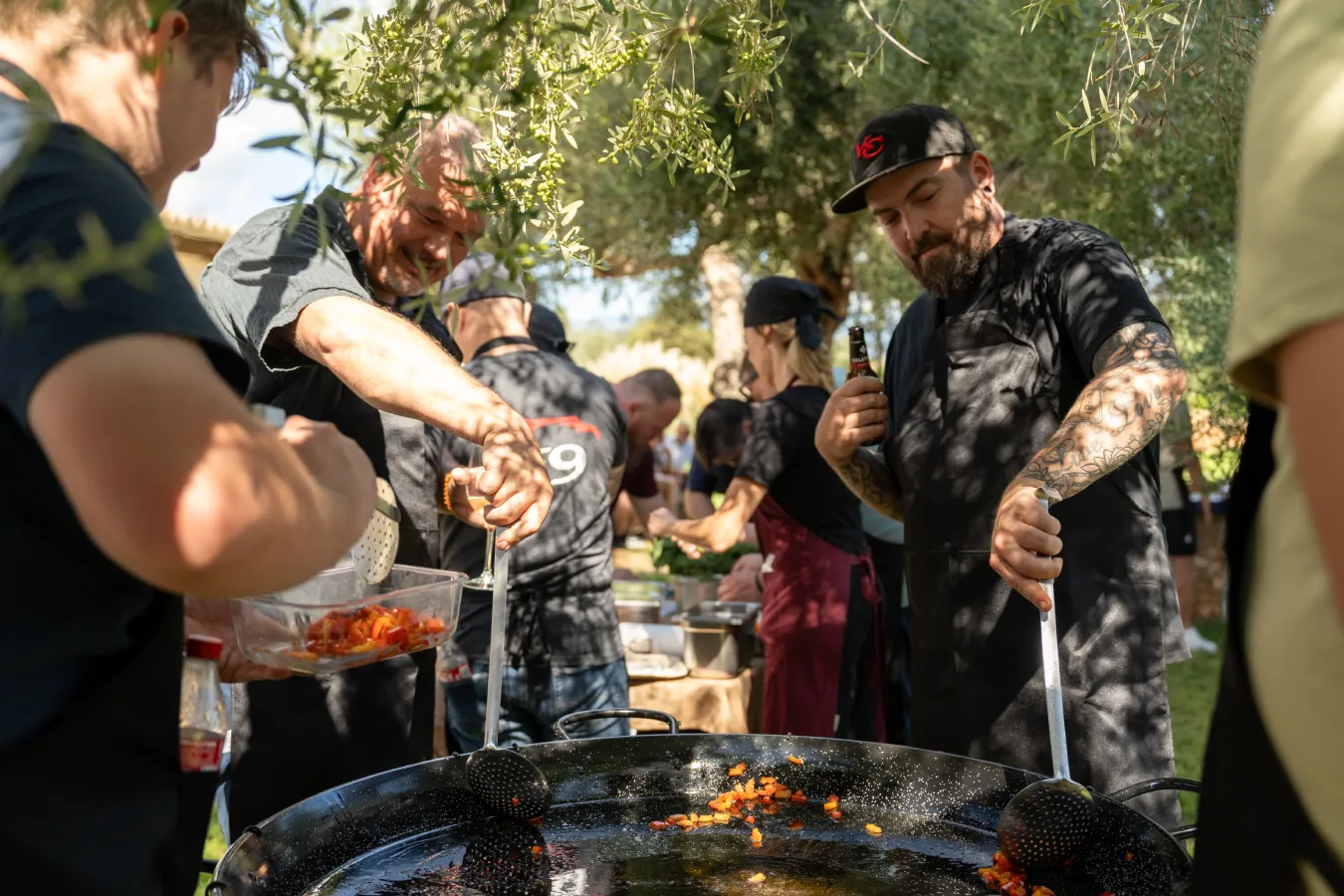
Choose a shared task with low stakes and a real result. Cooking works because everyone has a role and the group enjoys what it creates. GPS rallies, beach olympics and guided food tours can work for the same reason.
- Leaders take part instead of watching
- People who rarely work together share a task
- The activity does not expose weaker colleagues
- The schedule leaves time for informal conversation
Avoid forced vulnerability, competitions that embarrass participants and programmes so full that nobody can talk.

Destination choice
Where to organise team building in Europe
For a two- to three-day trip, a flight of up to roughly three hours preserves time for the team. Compare activity infrastructure, season, plan B, price level and group capacity.
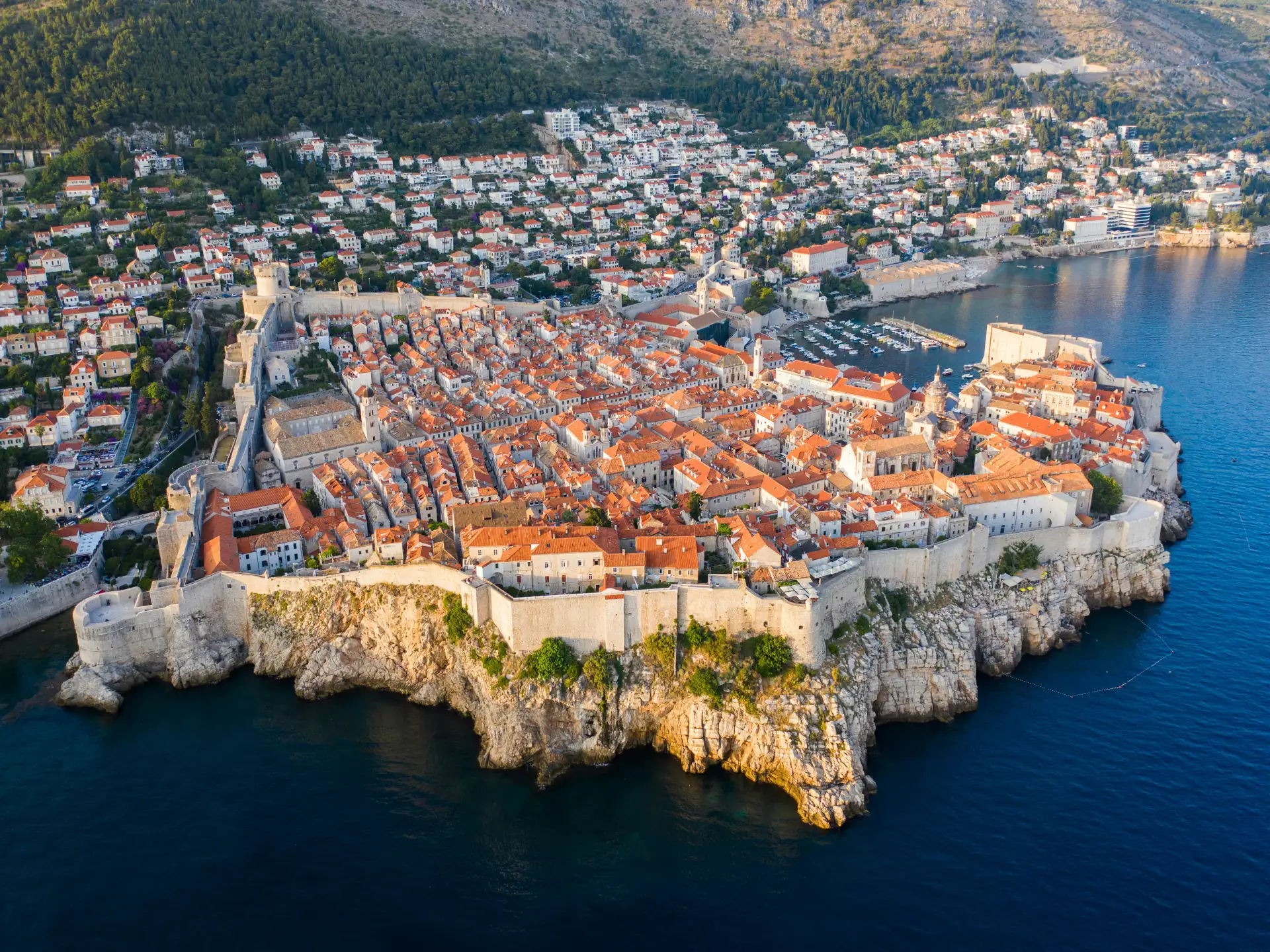
Mallorca is our base for groups from 20 to 500 people. Ibiza, Valencia, Portugal, Croatia, Montenegro and Iceland extend the choice from sailing and food experiences to raw Nordic landscapes. The right answer depends on the group, not a ranking.
You can also compare our European destinations.

Budget
What team building in Europe costs
Published estimates place a stand-alone activity at roughly £40 to £150 per person, with accommodation, transfers, meals and travel added separately. Exclusivity, guide ratios and logistics move the total.
A low-cost activity can be excellent and an expensive one can be forgettable. When the budget is limited, prioritise one or two strong shared experiences and enough free time.

Inclusive by design
Make it possible for everyone to take part
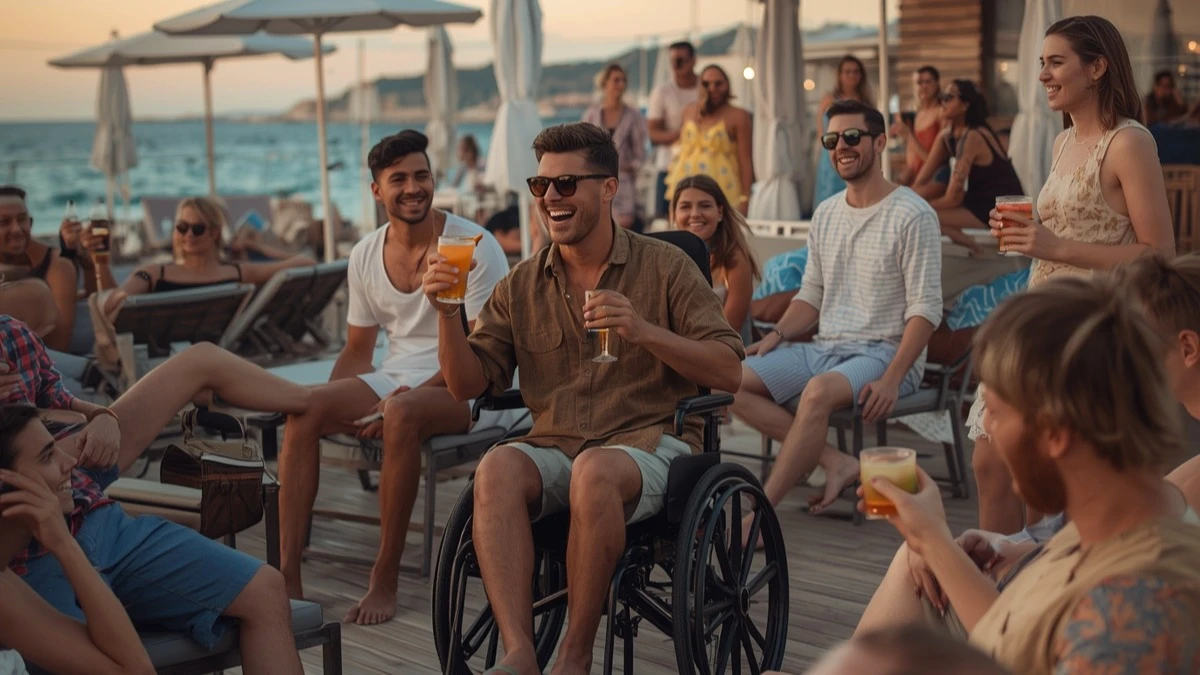
A team-building trip fails as soon as someone is excluded. Ask about mobility, diet, seasickness, alcohol-free preferences and attitudes to competition before arrival.
Our answer is parallel options of equal quality that bring the group back together. Inclusion is not an extra; it is the condition for taking part.

A longer shadow
Let the team leave something useful behind
Small, transparent local projects can add meaning without turning the trip into a campaign. Our established work focuses on education and children, including the option to sponsor a year of English lessons for a local child in Mallorca. We manage the contact and process; the client chooses whether and how to participate.
Client feedback
What teams say after the trip
Independent feedback on organisation, participation and the experience on site.
Team Building Europe
Frequently asked questions
Not sure whether the team needs a reward, a reset or both? Tell us what is currently stuck and we will start from there.
