
Croatia is the Mediterranean promise in its most original form - crystal-clear water, thousands of years of history and a coastline that leaves even experienced travellers speechless.
Croatia: Overview
Where history meets Adriatic blue
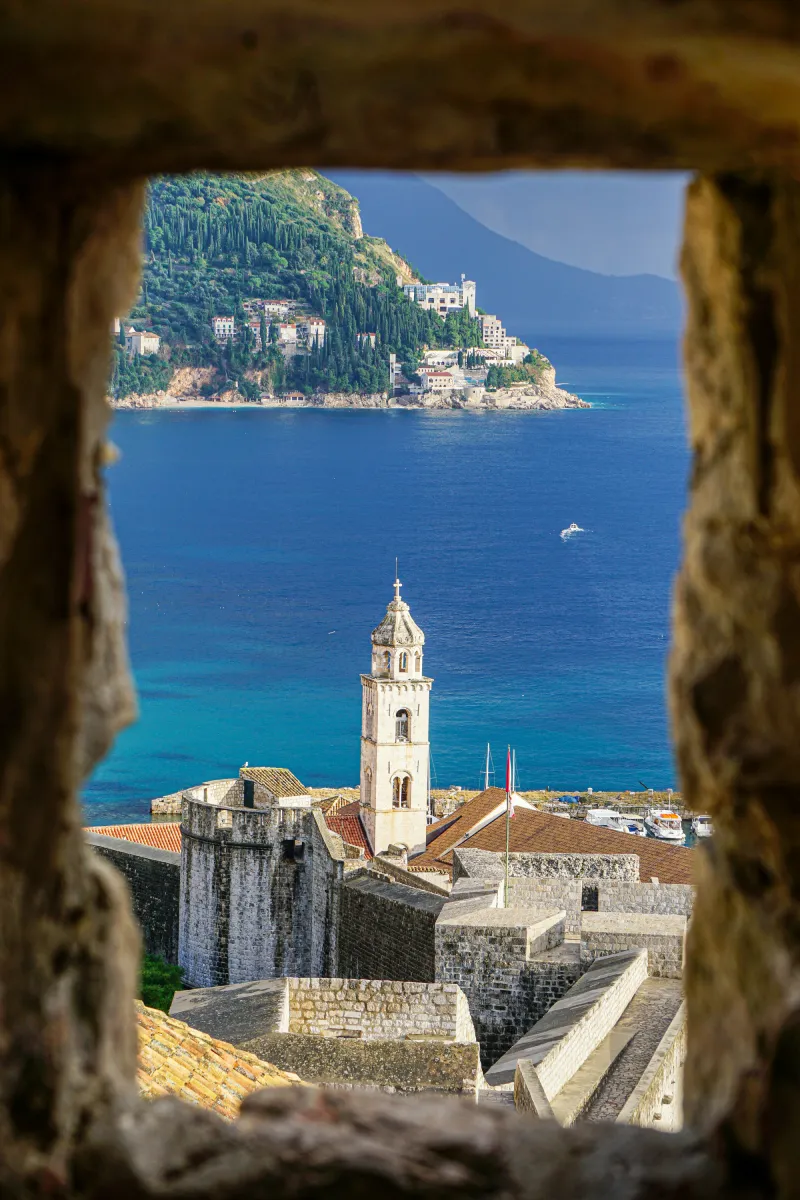
The destination Croatia surprises. Roman palaces do not stand in museums here; they stand in the middle of everyday life. In Split, locals drink espresso between ancient columns. In Dubrovnik, you walk along walls that have endured for centuries. And on the islands, time seems to follow a different law.
What distinguishes Croatia from other Mediterranean destinations is how close world culture and untouched nature sit together. A team meeting in the morning with a view of medieval city walls, a kayak tour in the afternoon to secluded coves no travel guide knows.
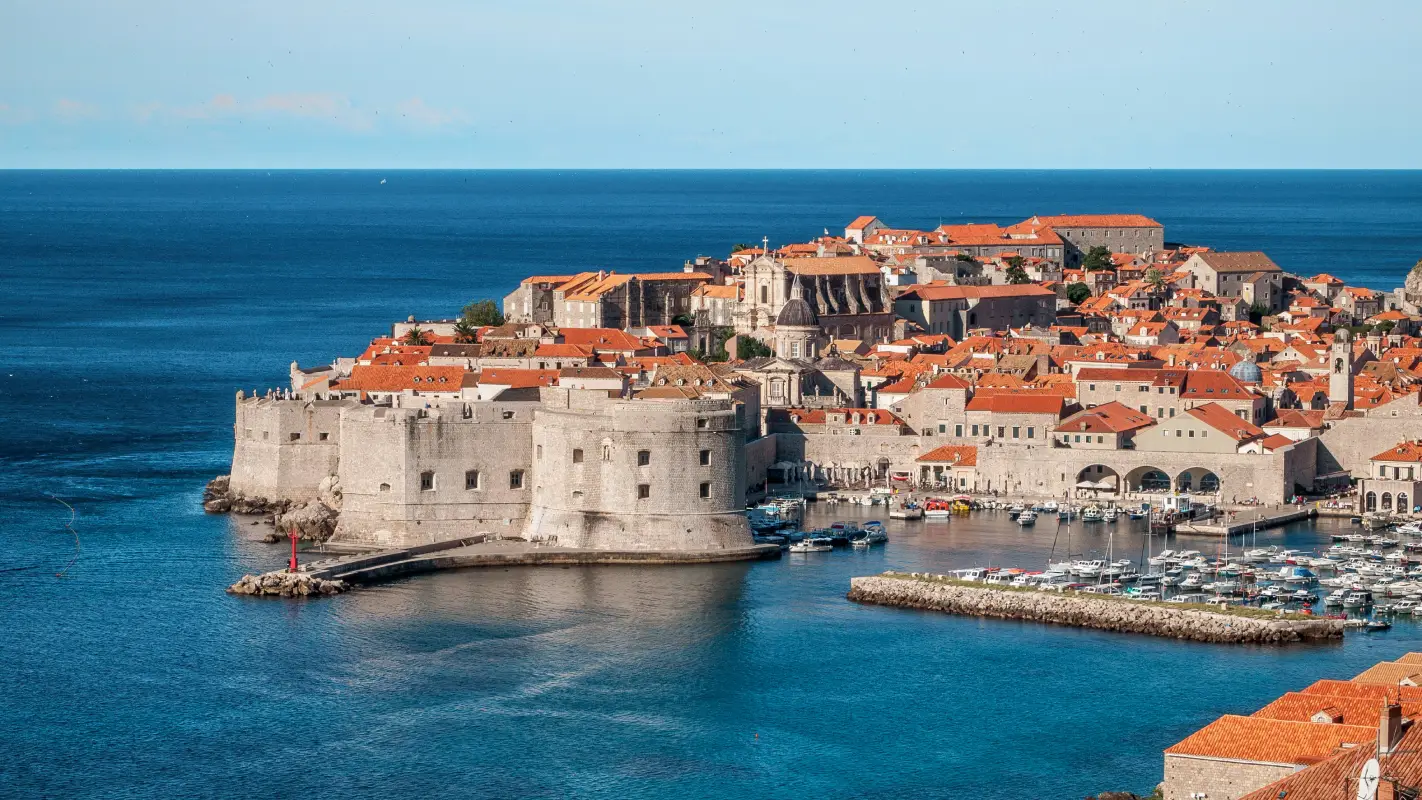
Croatia: UNESCO World Heritage as a backdrop
Dubrovnik - the pearl of the Adriatic
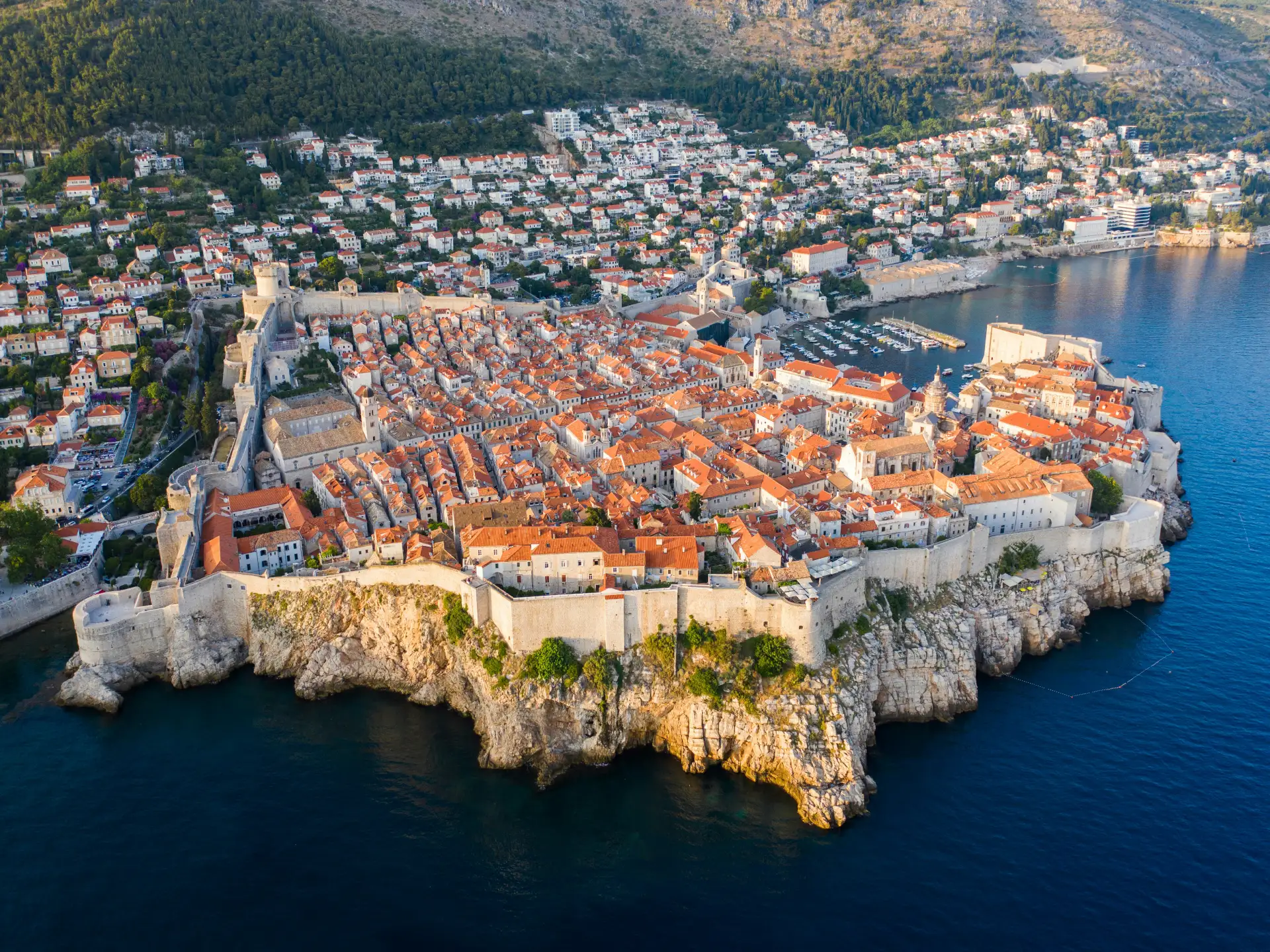
Dubrovnik is not a backdrop - although Hollywood would like it to be. The city is alive. Within its mighty fortress walls, an energy pulses that has survived for centuries. Marble streets shine in the evening light. Hidden restaurants serve Dalmatian cuisine in courtyards overgrown with bougainvillea.
For business events, Dubrovnik offers a drama no event designer could create. Gala dinners on fortress terraces with panoramic views of the Adriatic. Conferences in historic palaces. Sundowners on cliffs dropping vertically into turquoise water. This is where Croatia shows its full force.
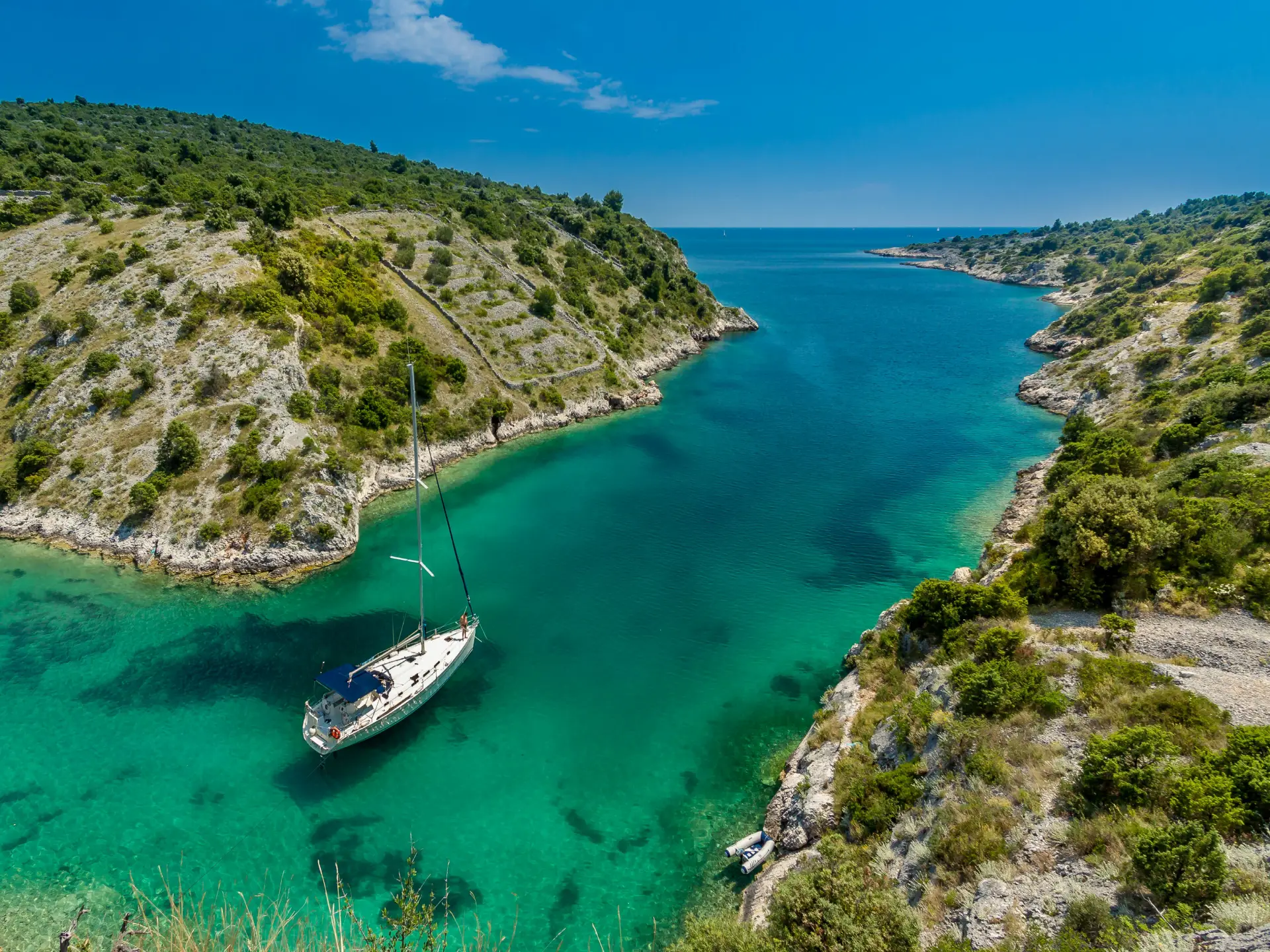
Croatia: Dalmatian coast
Split & the Dalmatian coast
Split is rougher, more authentic, more alive. Diocletian's Palace - once the retirement residence of a Roman emperor - is now the beating heart of the city. Boutiques, wine bars and restaurants have settled into the old walls. The result: 1,700 years of history you can touch.
The Dalmatian coast south of Split is one of the most spectacular stretches of coastline in Europe. Small fishing villages cling to steep slopes. Vines grow right down to the water. Behind them rise the mountains of the Dinaric Alps - a backdrop that breaks every frame.
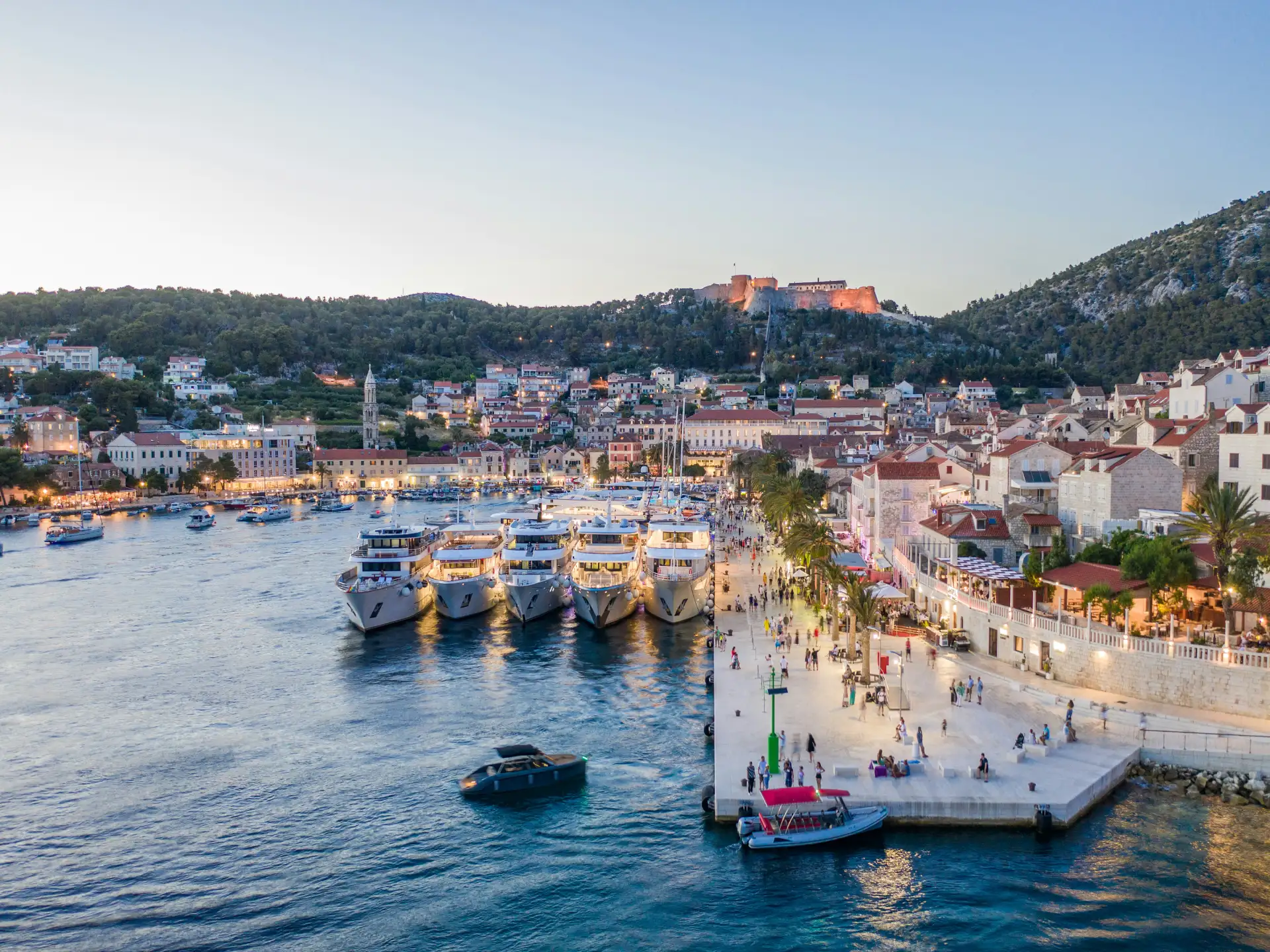
Croatia: More than 1,200 islands
The island realm
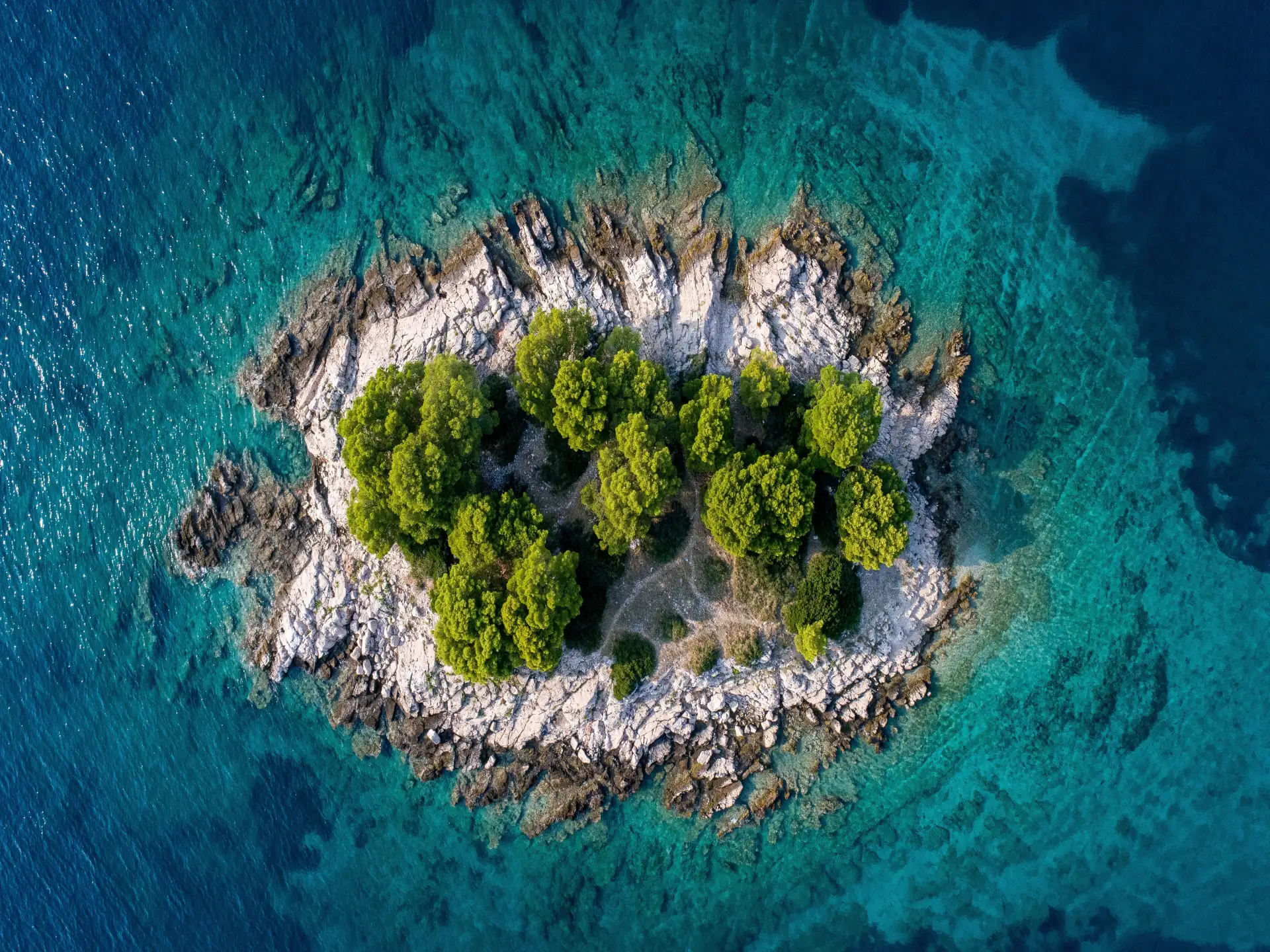
More than 1,200 islands line the Croatian coast. Only 47 of them are inhabited. The rest are waiting to be discovered - by sailing boat, speedboat or kayak. Croatia is Europe's number-one sailing area, and for good reason.
Hvar attracts with lavender fields and a party scene that lives into the early hours. Korcula surprises with medieval lanes and its claim to be the birthplace of Marco Polo. Vis - once a military restricted area - shows Croatia at its most untouched. Teams that explore the islands together return with stories that will still be told years later.
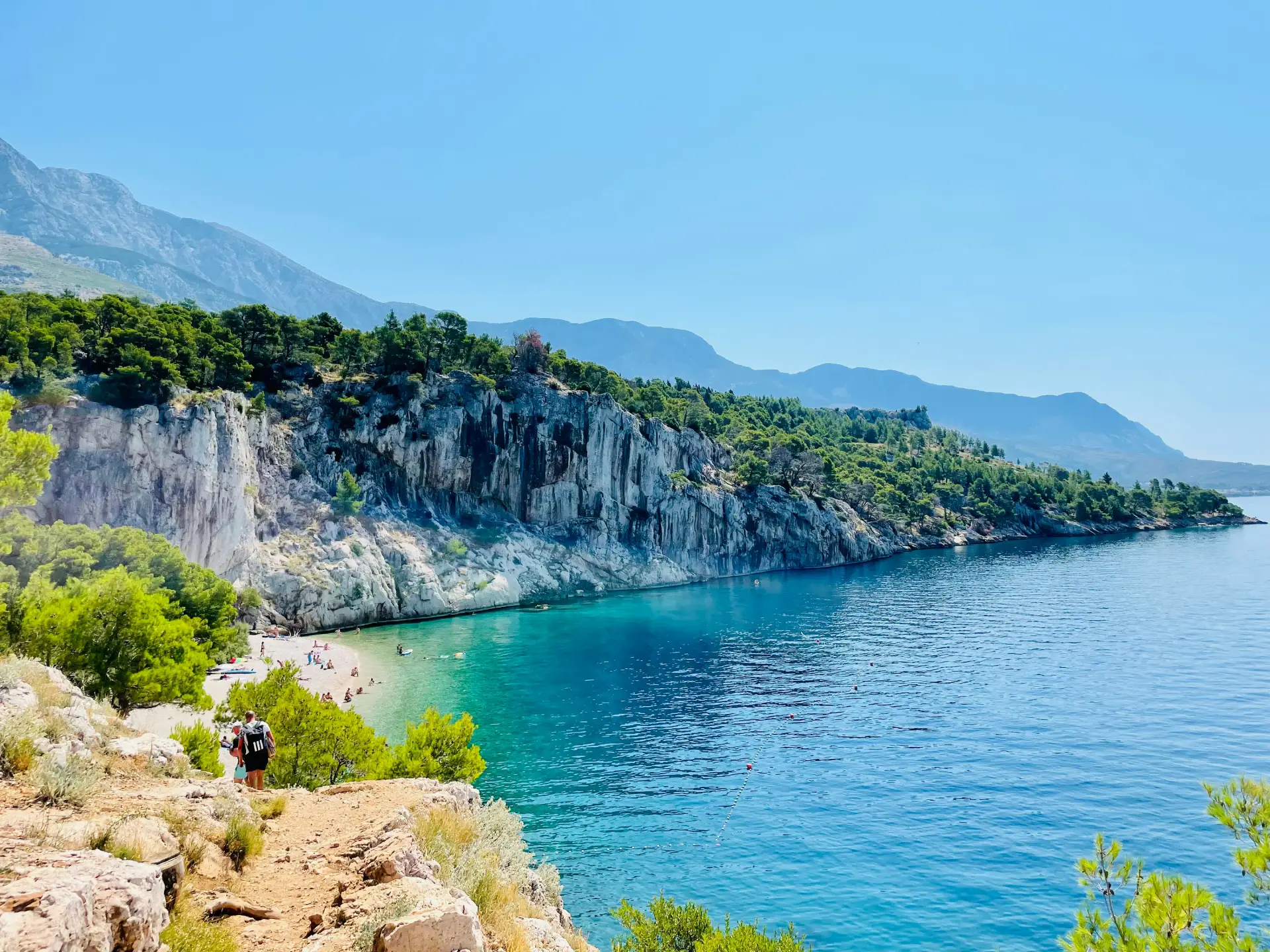
Croatia: Activities & experiences
Activities between land and sea
Croatia is made for movement. The Adriatic invites sailing, snorkelling and stand-up paddling - in water so clear you can see the seabed ten metres below. Sea kayaking along Dubrovnik's city walls or through hidden archipelagos north of Split is among the most intense team experiences Croatia can offer.
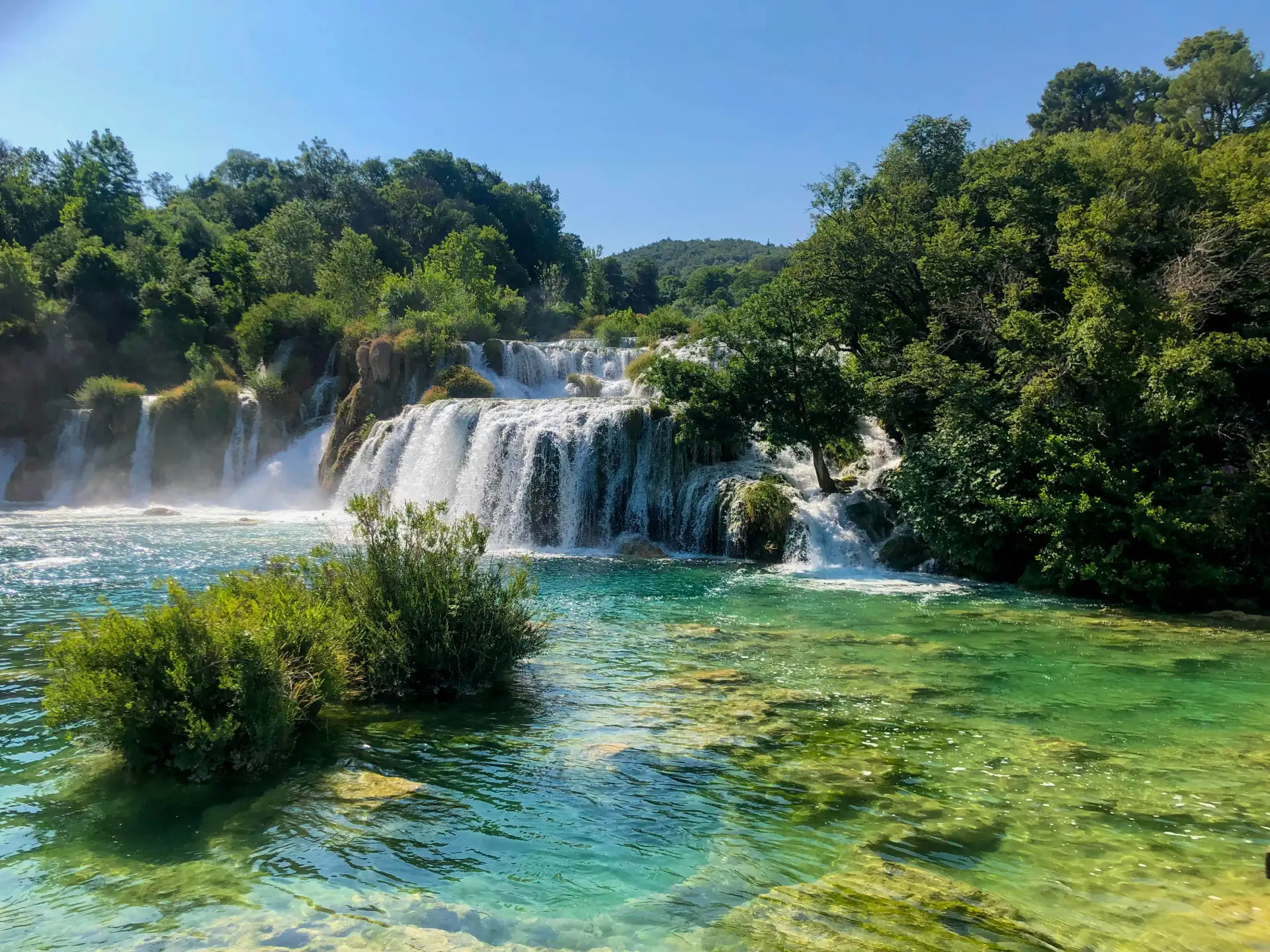
On land, world-class national parks await. The Plitvice Lakes - 16 turquoise lakes connected by waterfalls - are a natural spectacle without equal. Krka surprises with waterfalls you can swim beneath. And the Istrian hinterland shows another side of Croatia: gentle hills, truffle forests and medieval mountain villages.
Croatia: Enjoyment from the heart
Cuisine with character
Croatian cuisine is honest. Fresh fish that was still swimming in the sea a few hours earlier. Olive oil from Istria, among the best in the world. Prsut - air-dried ham from Dalmatia - sliced so thinly it melts on the tongue. And local wines from grape varieties hardly anyone knows outside Croatia.
In Istria, truffle tastings and farm-to-table experiences await in konobas run by the same families for generations. On the Dalmatian coast, beach restaurants serve the catch of the day on white tablecloths with sea views. Croatia understands that shared food is the shortest route to real conversations.
Croatia: Climate & travel
Ideal conditions
Croatia enjoys more than 2,700 hours of sunshine per year. May, June, September and October offer perfect conditions: temperatures between 22 and 28 degrees, warm water and fewer tourists. During these months, Croatia unfolds its full magic.
In midsummer, temperatures rise above 30 degrees - ideal for water activities and events with a maritime focus, or for sightseeing between cooling stone walls in shaded old towns.
Direct flights from Frankfurt, Munich, Vienna and Zurich reach Dubrovnik, Split or Zagreb in just under two hours. Croatia is in the same time zone as the DACH region - no jet lag, no lost time.
Dubrovnik and Split airports are each only 20 to 30 minutes from the city centre. From Zagreb airport, access opens up to Istria and the Plitvice Lakes. Croatia welcomes groups easily - the first jump into the Adriatic is often only an hour after landing.
Planning an event in Croatia? Talk to us - gladly over coffee.